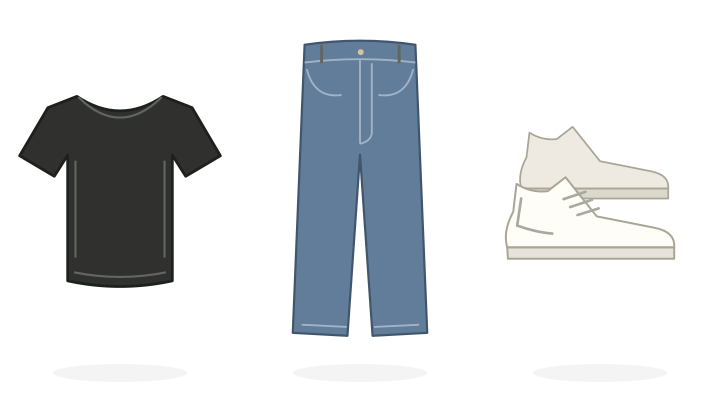
Look 01 / Everyday
The familiar base
Black T-shirt + blue jeans + white sneakers.
Start here if these are pieces you already reach for. Their Casual labels put this combination first in the example’s everyday results.
The closet notebook / a seven-piece example
Seven pieces, six outfit ideas, and a reason to look again at what you already own. This small capsule wardrobe example moves between everyday plans and nights out.
Meet the seven piecesOriginal illustrations. Use your own versions.
Sometimes, two pieces are enough.
01 / Start with a useful mix
Here, “seven pieces” means seven wardrobe entries: each pair of shoes counts as one. These are examples to help you plan, not a list of things you need to buy. A capsule can be a small working selection from a larger closet.
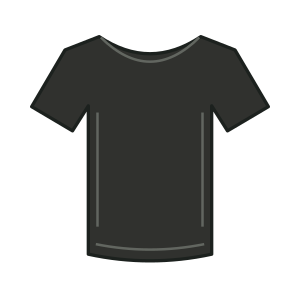 01 / Top
Black · Casual
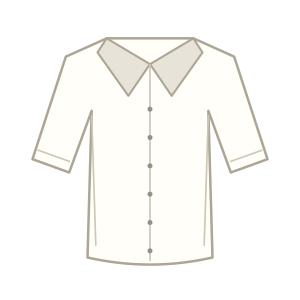 02 / Top
White · Smart
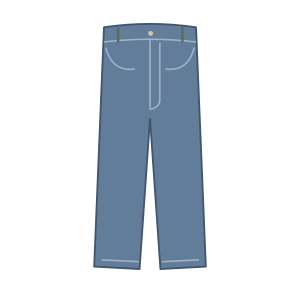 03 / Bottom
Blue · Casual
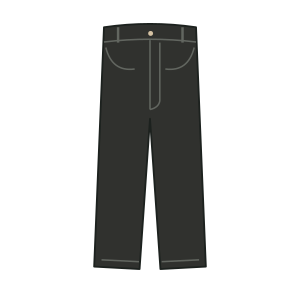 04 / Bottom
Black · Dressy
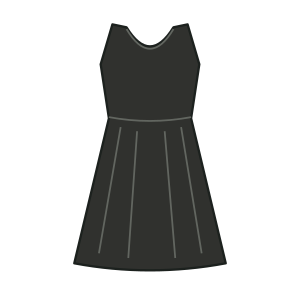 05 / Dress / one-piece
Black · Dressy
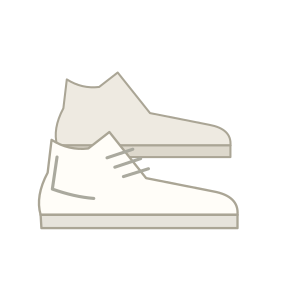 06 / Shoes
White · Casual
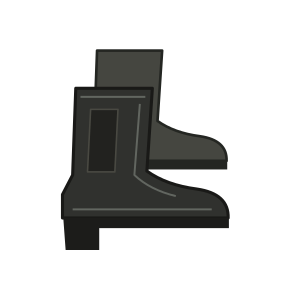 07 / Shoes
Black · Smart
The category, color and dress level shown here are the labels used for this example. Label your actual clothes as you see them; not every shirt is Smart or every pair of trousers Dressy.
02 / An everyday kind of day
These three looks reuse the white sneakers. The changes are easy to see: first the top, then the bottom. Try the clothes together before deciding which version you prefer.
Look 01 / Everyday
Black T-shirt + blue jeans + white sneakers.
Start here if these are pieces you already reach for. Their Casual labels put this combination first in the example’s everyday results.
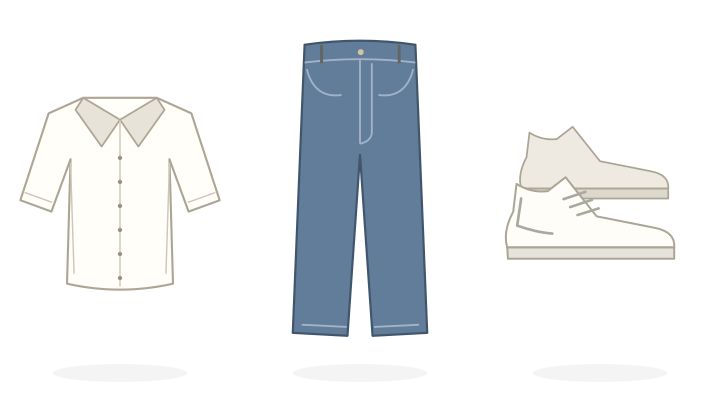
Look 02 / Everyday
White button-down shirt + blue jeans + white sneakers.
The Smart shirt works with the same Casual jeans and shoes in the helper. You choose whether the shirt’s cut feels right with your jeans.
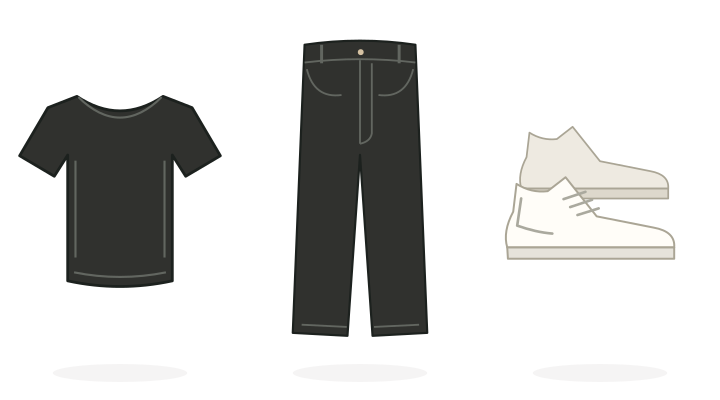
Look 03 / Everyday
Black T-shirt + black trousers + white sneakers.
A Dressy label does not reserve a piece for evenings. This mix also appears in the everyday results alongside the Casual top and shoes.
03 / A night out
Now use the black ankle boots. The helper prioritizes Smart and Dressy labels for a night out, but it does not know a venue’s dress code. Check the setting, weather and comfort yourself.
Look 04 / Night out
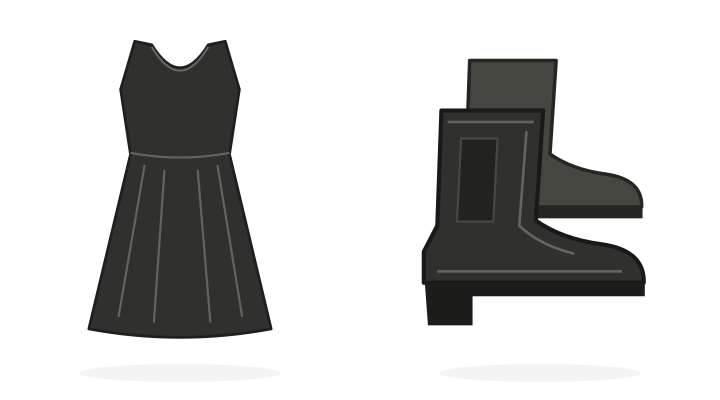
Black dress + black ankle boots.
A one-piece replaces the top-and-bottom pair. The helper treats this as a complete core outfit; a layer or accessory is optional.
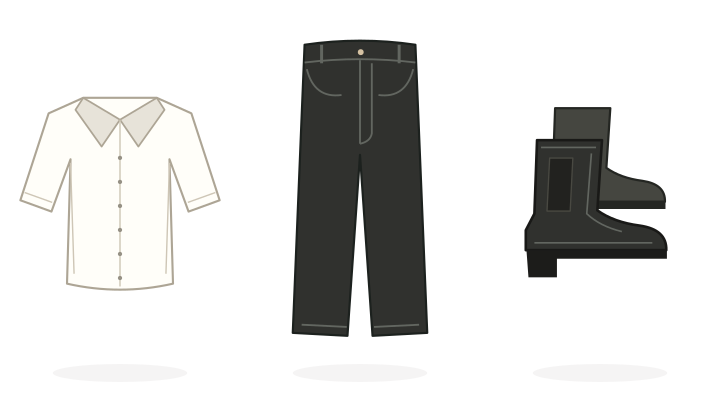
Look 05 / Night out
White button-down shirt + black trousers + black ankle boots.
All three example labels are Smart or Dressy. You still decide how the shirt, trouser length and boot shape work together.
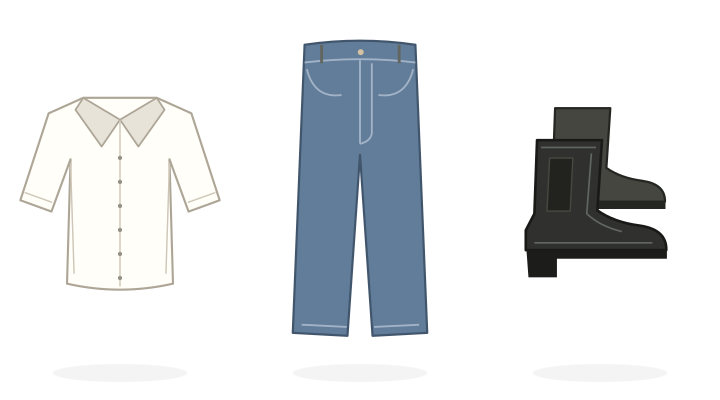
Look 06 / Night out
White button-down shirt + blue jeans + black ankle boots.
Compared with Look 02, only the shoes change. This also appears among the night-out ideas for the example wardrobe; jeans may not suit every venue.
04 / Build your version
Start with two tops, two bottoms, a dress or another one-piece, and two pairs of shoes if you have them. Use clean, available pieces that fit comfortably. You can start with fewer; seven is the size of this example, not a requirement.
Your favorite green top can take the T-shirt’s place. Brown loafers can take one of the shoe slots. Enter the real name, category, color and dress level rather than copying labels that do not match. Different labels can change which ideas appear.
Try Look 01’s approach with a different top, or Look 02’s approach with different shoes. Notice what you prefer about the shape, fabric and comfort. Those details are yours to judge; the helper combines the labels you enter.
A jacket or coat you already own can sit outside this seven-piece example. Enter it as Outerwear. Photos are optional references for you; the helper does not recognize clothing or assess fit from an image.
For more starting points, including a Halloween idea with missing pieces clearly listed, see the everyday, night-out and Halloween outfit guide.
Make the next combination yours
Add your own pieces to the free helper, then choose everyday or night out. No account is needed. Nothing on this guide is automatically added to your wardrobe.
Bookmark this page, or copy its public link. The link contains only this guide’s address, not your wardrobe.